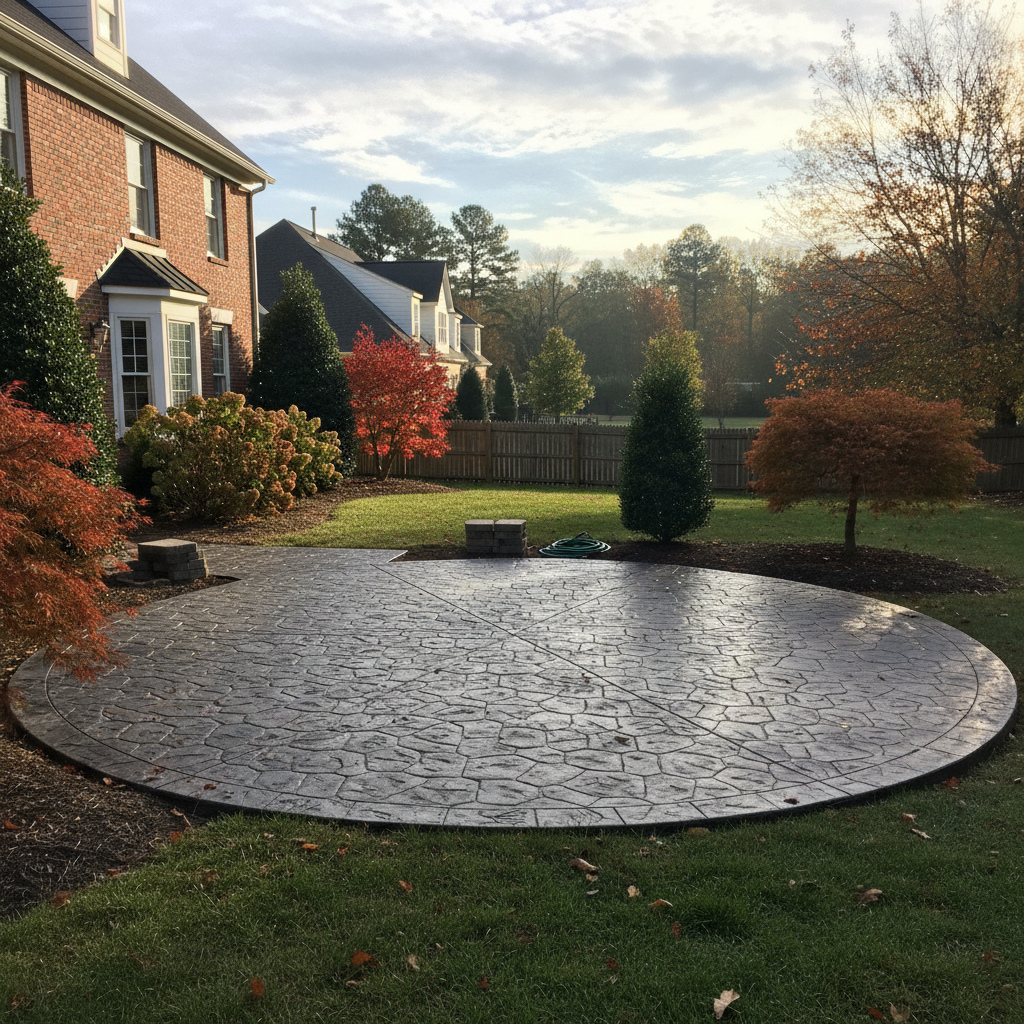
You're looking at stamped concrete, maybe for a new patio, walkway, or even a driveway. It's a great choice, adds a ton of curb appeal, and frankly, it's just plain good-looking. But here in Virginia Beach, like anywhere else, timing is everything when it comes to getting it done right. You can't just pour concrete whenever you feel like it and expect the best results. The weather plays a huge role, and ignoring it is just asking for trouble down the line.
When's the Best Time to Schedule Stamped Concrete Work?
Honestly, the sweet spot for stamped concrete installation around here is usually spring and fall. Think late March through June, and then again from September into early November. Why those times? It's all about temperature and humidity. Concrete cures best when temperatures are consistently between 50 and 80 degrees Fahrenheit. If it's too hot, the water in the mix evaporates too fast, which can lead to cracking and a weaker surface. Too cold, and the concrete takes forever to set, or worse, it can freeze before it properly hardens, ruining the whole job.
Summer can be tricky. We get those super hot, humid days here in Virginia Beach, especially in July and August. Pouring concrete then means we're fighting against rapid drying, which makes it harder to get that perfect stamp and can stress the concrete. It's not impossible, but it requires extra care, like using admixtures to slow down the set time and sometimes even covering the slab to protect it from the sun. Winter? Forget about it. Once those overnight lows consistently dip below freezing, we're pretty much shut down for new pours. You just can't guarantee a good cure when it's that cold.
Weather Conditions That Really Matter
Beyond just temperature, a few other weather factors can really mess with a stamped concrete project:
- Rain: This is a big one. You absolutely cannot pour concrete in the rain. It dilutes the mix, washes away the surface paste, and can ruin the finish. We need a clear forecast, not just for the pour day, but ideally for a couple of days after too, while the concrete is curing.
- Wind: High winds, especially on a hot day, can dry out the concrete surface too quickly. This can lead to surface cracks or make it tough to get a good stamp impression before the concrete gets too stiff.
- Humidity: While high humidity can slow down drying (which can be good on a hot day), too much can also affect the final finish and color application. Low humidity, combined with wind, is a recipe for rapid drying.
We're constantly checking the forecast. It's not just about if it's sunny, but what the temperature swings are, the wind speed, and the humidity levels. Sometimes, we have to reschedule, and I know that can be frustrating, but it's always for the good of your project. We'd rather wait for the right conditions than rush a job that won't last.
Protecting Your Stamped Concrete Investment Year-Round
Once your beautiful new stamped concrete is in, you want it to stay that way. Here's how to protect it:
- Sealing is Key: We'll seal it after installation, but you'll want to re-seal your stamped concrete every 2-3 years. This protects it from UV rays, moisture, oil, and general wear and tear. It's like sunscreen for your concrete.
- Clean Regularly: A simple sweep and occasional rinse with a hose is usually enough. For tougher spots, a mild detergent and a soft brush will do the trick. Avoid harsh chemicals or power washers set too high, as they can damage the sealer or even the concrete surface.
- Watch for De-icers: This is huge for us here. Most de-icing salts can really harm concrete, especially in its first year. They can cause spalling (flaking) and deterioration. If you need to de-ice, use sand or a concrete-safe de-icer. Look for products that are calcium chloride or magnesium chloride-based, but even then, use sparingly.
- Drainage Matters: Make sure water drains away from your stamped concrete, not towards it or pooling on it. Proper drainage prevents freeze-thaw damage in winter and reduces the chance of moss or algae growth. With our sandy soil here in Virginia Beach, drainage is usually pretty good, but it's still something to keep an eye on, especially in low-lying areas or if you're near the water.
- Address Cracks Promptly: While concrete is incredibly durable, minor hairline cracks can sometimes appear. If you see anything more significant, or if a crack starts to widen, get it looked at. Addressing small issues early can prevent them from becoming big, expensive problems.
Getting stamped concrete is a smart investment in your home. At Williams Stamped Concrete & Resurfacing, we take the time to plan around the weather and use the right techniques to ensure your project looks fantastic and stands up to our Virginia Beach climate for years to come. Don't hesitate to reach out if you've got questions about your next project.