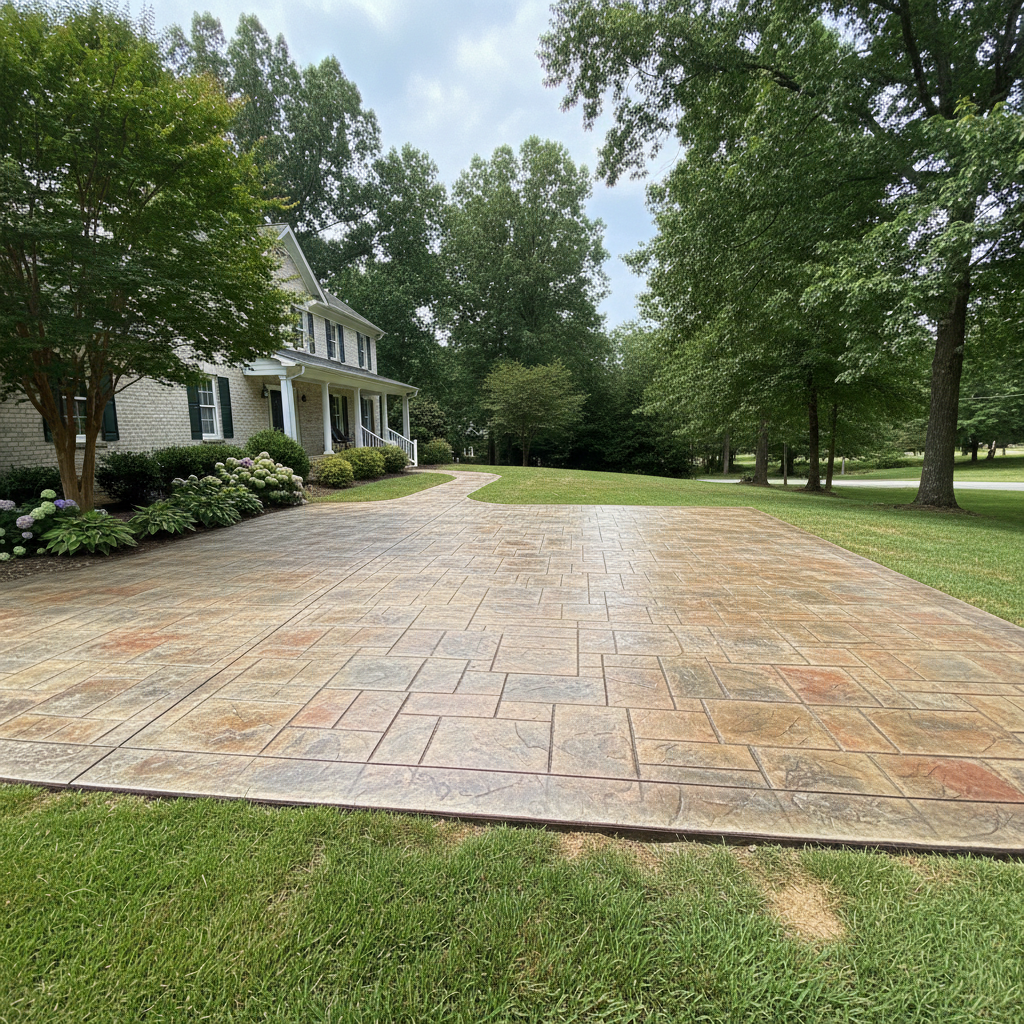
So, you need some concrete work done, and you're trying to find a contractor. Sounds easy enough, right? But honestly, I've seen way too many folks here in Virginia Beach get burned by hiring the wrong crew. You're putting good money into this, so you really need to be smart about who you let work on your property. Here's the advice I give my neighbors when they ask me how to pick a good one.
What to Ask Before They Even Give You a Quote
Don't just jump straight to the price, that's a common mistake. You need to know a few things about the people you're dealing with first. These questions will tell you a lot about their experience and how professional they really are.
- How long have you been doing concrete work, specifically? Someone who's been around for a while, especially right here in our area, they know the ropes. They've handled our sandy soil, the salt air, and those wild weather swings we get.
- Can you give me references from recent, similar projects? And I mean *recent* — like in the last year or two. Call those people up. Ask if the contractor showed up on time, stuck to the budget, and if they'd hire them again.
- Are you licensed and insured? This isn't optional, not in Virginia. Contractors need a license here. And insurance? That protects both you and them if anything goes sideways. Ask for proof, don't just take their word for it.
- What kind of warranty do you offer on your work? A good contractor stands behind what they build. They should be able to tell you upfront what's covered and for how long.
- Who's actually going to be doing the work? Your own crew or subcontractors? It's not necessarily a deal-breaker if they use subs, but you should definitely know. If it is subs, ask how they check them out and who supervises the job.
- What's your plan for site preparation and cleanup? This is huge, truly. Good prep prevents big problems later on. And a messy job site? That's usually a sign of a messy contractor.
Decoding the Concrete Quote: What to Look For
Once you get a quote, don't just glance at the total. A solid quote is detailed and clear. If it's just a number scribbled on a napkin, well, you should probably walk away.
- Detailed Scope of Work: It should spell out exactly what they're doing. Are they just pouring concrete, or does it also include demolition, digging, grading the land, rebar, expansion joints, sealing? Every single step needs to be listed.
- Materials Specified: What kind of concrete mix are they using? What PSI? Are they putting in fiber mesh or rebar, and how much? For decorative concrete, like stamped concrete, what colors and patterns are part of the deal?
- Timeline: When do they expect to start? When will they finish? What happens if bad weather delays things?
- Payment Schedule: A reputable contractor won't ask for half or more of the money upfront. Usually, it's a deposit, then payments as the work progresses, and a final payment once everything's done and you're happy.
- Permits: Who's responsible for pulling any necessary permits? Here in Virginia Beach, depending on the project's size and type, you might need one. Make sure this is crystal clear.
- Lien Waivers: For bigger jobs, ask for lien waivers from subcontractors and suppliers when you make payments. This protects you from them putting a lien on your property if the main contractor doesn't pay them.
Red Flags You Can't Ignore
Some things should make you hit the brakes immediately. Always trust your gut on these, okay?
- High-Pressure Sales Tactics: "Sign today for a special discount!" Good work doesn't need that kind of push.
- Cash-Only Deals: This is a massive red flag for tax evasion and zero accountability. Just don't do it.
- No Written Contract: If they're not willing to put everything in writing, they're not serious about the job.
- Unsolicited Door-to-Door Offers: Especially right after a storm. "We were just in the neighborhood and saw your driveway..." Nope, that's a classic scam.
- Significantly Lower Bids: If one bid is way cheaper than all the others, there's usually a good reason. They're probably cutting corners on materials, labor, or even insurance.
- Refusal to Provide References or Proof of Insurance/License: If they hem and haw, they've got something to hide.
How to Verify Legitimacy
Before you sign anything, do your homework. It only takes a few minutes and can save you a world of headaches later on.
- Check the Virginia Department of Professional and Occupational Regulation (DPOR): You can look up their contractor license there. Make sure it's active and for the right class (Class A, B, or C, depending on the project's size).
- Verify Insurance: Call their insurance company directly, using the number on the certificate they give you. Confirm their coverage is active and enough for your project.
- Online Reviews: Check Google, Yelp, and other local review sites. Look for patterns, not just one-off complaints. A few negative reviews aren't always a deal-breaker, but consistent issues definitely are.
- Better Business Bureau (BBB): See if they have a profile and what their rating is.
- Ask for a Physical Address: A legitimate business, like Williams Stamped Concrete & Resurfacing, will have a real office or shop, not just a P.O. box or a cell phone number.
Hiring a concrete contractor isn't something you should rush into. Take your time, ask all the right questions, and double-check their credentials. You'll be really glad you did when your new patio or driveway looks fantastic and lasts for years.