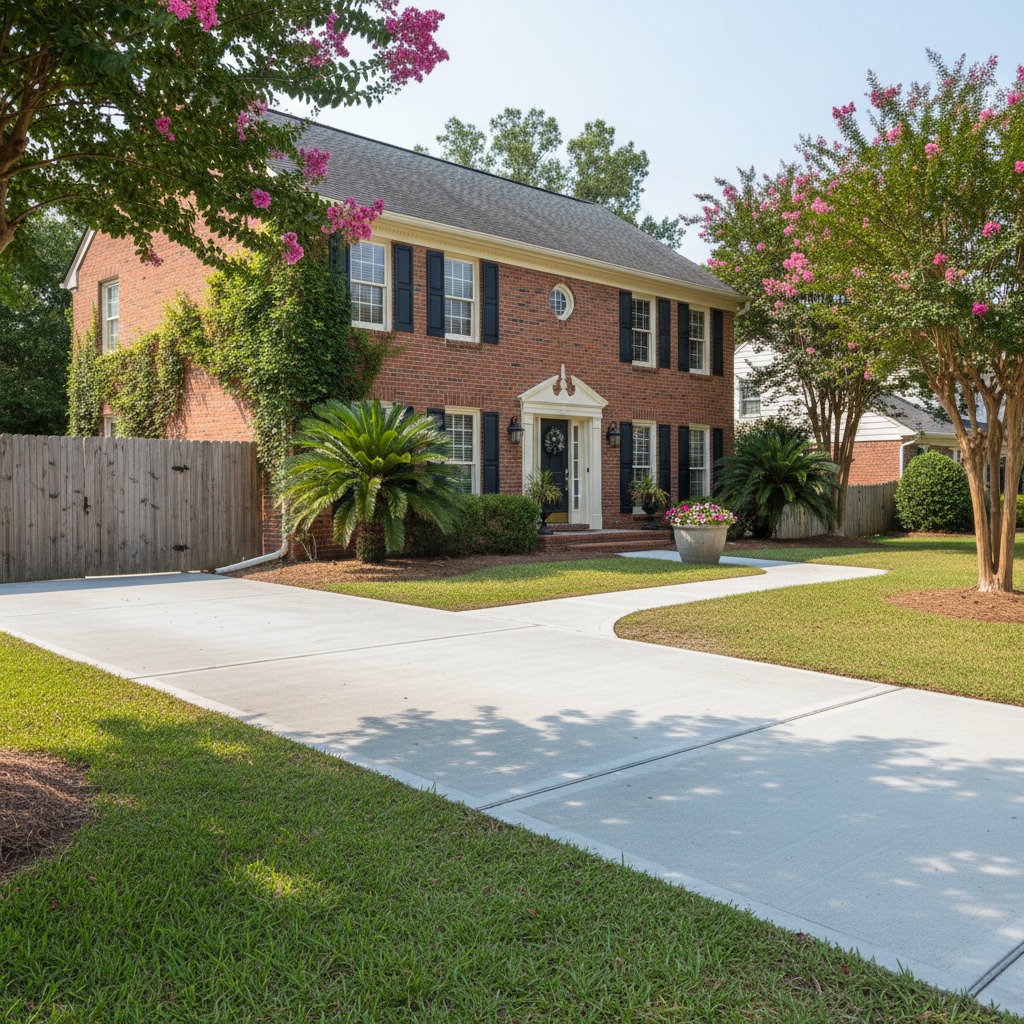
Hiring someone to pour or repair concrete around your home isn't like picking up groceries, is it? It's a pretty big decision, and you really want to make sure you're getting a pro who knows their stuff. You definitely don't want a mess, or a job that falls apart in a year. I've seen a lot of concrete work come and go here in Virginia Beach, and believe me, there's a real difference between a good contractor and one you should just run from.
What to Ask Before They Even Quote
Before you even get to the quote stage, you need to ask some basic questions. This isn't about grilling them, it's really just about making sure they're a good fit and that they're legitimate. Think of it as your first filter, you know?
Are you licensed and insured? This one's non-negotiable. In Virginia, contractors need a Class A, B, or C license, depending on the job's size. Ask for their license number and check it with the Virginia Department of Professional and Occupational Regulation (DPOR). And insurance? You absolutely want to see proof of liability insurance and workers' compensation. If someone gets hurt on your property and they're not insured, guess who's on the hook? That'd be you.
How long have you been doing concrete work specifically? Someone might be a general contractor for 20 years, but maybe they've only been pouring concrete for six months. Concrete is a specialized trade, after all. You want someone with a solid track record in concrete itself.
Can you provide references? Any reputable contractor will be happy to give you a few names and numbers of past clients. Call them up. Ask about their experience, if the job was on time and on budget, and if they'd hire them again.
What's your process for this type of job? Listen closely to their answer. Do they talk about proper sub-base preparation, rebar or wire mesh, expansion joints, and curing? If they just say, "We pour concrete," well, that's a red flag. For example, around here, with our clay soil and sometimes high water table, proper drainage and base compaction are critical to prevent cracking and settling.
Decoding the Concrete Quote: What to Look For
Once you get a quote, don't just look at the bottom line. A good quote is detailed and transparent. A bad one? That's vague and leaves too much open to interpretation.
Detailed Scope of Work: Does it clearly state what's included? Things like square footage, concrete thickness, PSI strength, type of finish (e.g., broom finish, stamped, exposed aggregate), rebar or wire mesh specifics, demolition of old concrete, site preparation, and clean-up. If it just says "pour patio," that's simply not enough.
Materials Specified: What kind of concrete mix are they using? What brand of sealer? Are they using fiber mesh in the mix? The more detail, the better, really.
Payment Schedule: A reasonable payment schedule usually involves an initial deposit (often 10-30%), progress payments, and a final payment once you're happy with the work. Be wary of anyone asking for 50% or more upfront, especially for smaller residential jobs.
Warranty Information: What kind of warranty do they offer on their work? A year is pretty standard for concrete work, covering things like significant cracking or spalling due to faulty installation. Make sure you get it in writing.
Permits: Will they handle obtaining any necessary permits? For larger jobs, or those involving structural changes, permits are often required by the city of Virginia Beach. You definitely don't want to be on the hook for that.
Red Flags You Can't Ignore
Your gut feeling is important, but there are some concrete (pun intended, I couldn't resist) red flags you should always watch out for.
Cash-only deals: This is a classic move by unlicensed or uninsured contractors trying to avoid taxes and accountability. Don't fall for it.
No written contract: Never, ever proceed with just a handshake. Get everything in writing, every detail we just talked about.
High-pressure sales tactics: "This price is only good today!" or "I've got an opening tomorrow, but it'll be gone fast!" Good contractors are busy, but they won't pressure you into a rushed decision.
Unsolicited offers: Someone knocking on your door saying they just finished a job down the street and have leftover concrete? That's almost always a scam. They'll do a shoddy job, take your money, and disappear.
No online presence or references: In this day and age, a reputable business, even a small one like Williams Stamped Concrete & Resurfacing, will have some sort of online footprint – a website, social media, or at least some reviews. If you can't find anything, that's suspicious.
Price significantly lower than others: While everyone loves a deal, if one quote is drastically cheaper than all the others, there's usually a reason. They might be cutting corners on materials, labor, or simply aren't insured or licensed. You get what you pay for, especially with concrete.
Verifying Legitimacy
Okay, so you've got their license number, their insurance info, and references. Now what?
Check the DPOR website: Go to the Virginia Department of Professional and Occupational Regulation website and search their contractor license lookup. Make sure the license is active and for the correct class. Also, check for any disciplinary actions.
Call their insurance company: Don't just take their word for it. Call the insurance provider listed on their certificate and verify that the policy is current and covers the type of work they'll be doing.
Look them up online: Check Google reviews, Yelp, their website, and even the Better Business Bureau. While not every contractor has a perfect score, consistent negative reviews or unresolved complaints are major warning signs.
Drive by their references' homes (if appropriate): If a reference gives you an address for a completed project, and it's a public-facing area like a driveway or sidewalk, take a look. See the quality of the work firsthand.
Taking these steps might seem like a lot of work, but it's nothing compared to the headache and cost of fixing a bad concrete job. Do your homework, ask the right questions, and you'll find a contractor who delivers quality work that lasts.