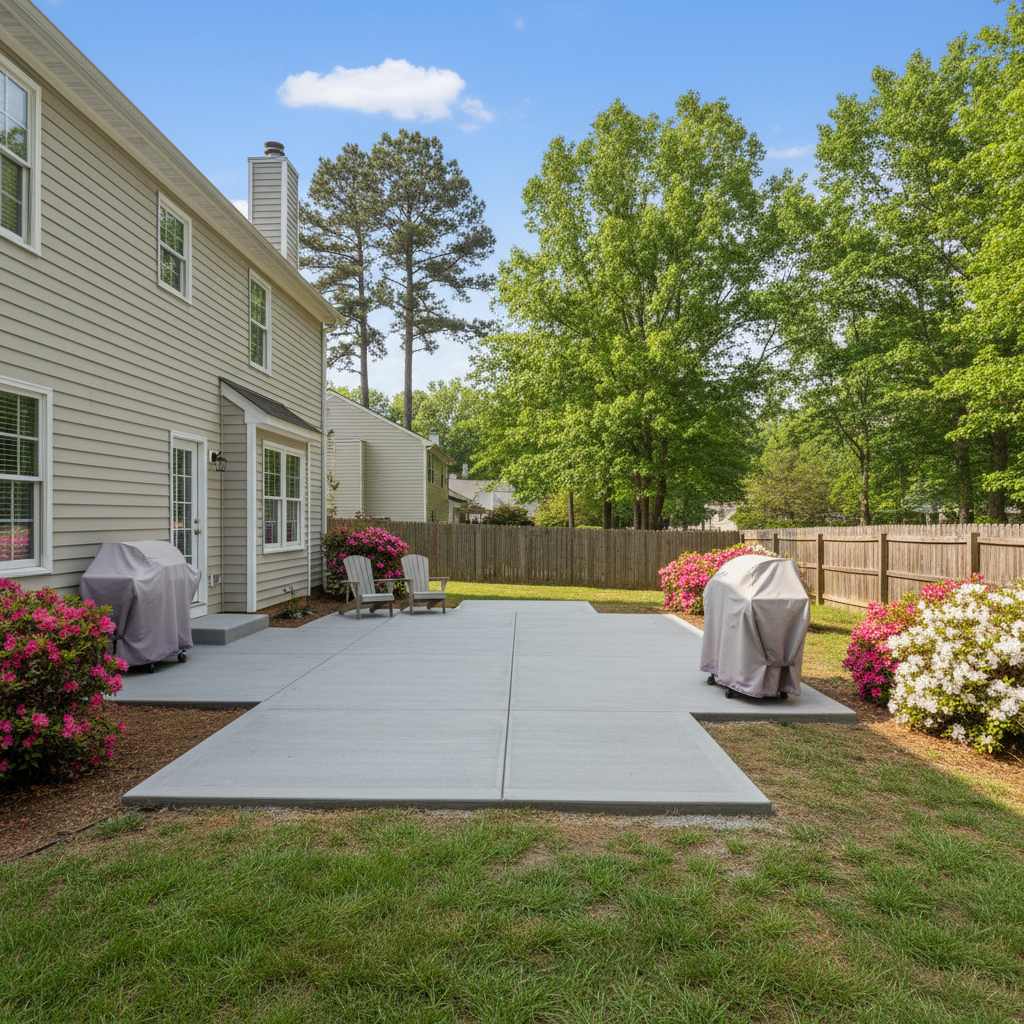
When's the Best Time for New Concrete Work?
You're probably wondering, when's the ideal time to get that new patio or driveway poured? It's a common question, and the answer isn't always as simple as 'summer.' Here in Virginia Beach, our climate plays a huge role in how concrete cures and performs long-term. We've got pretty distinct seasons, and each one has its pros and cons for concrete work.
Generally, I tell folks that spring and fall are your best bets. Why? Because the temperatures are usually mild. Concrete loves consistent, moderate temperatures – think 50 to 70 degrees Fahrenheit. This allows it to cure slowly and evenly, which is critical for strength and durability. If it's too hot, like those scorching July and August days we get, the water in the mix evaporates too fast. That can lead to cracking and a weaker surface. Too cold, and the curing process slows down to a crawl, or even stops if it freezes, which can also compromise the final product. We don't get a ton of hard freezes here, but those chilly winter nights can still mess with a fresh pour if you're not careful.
Summer Concrete: Can It Be Done?
Sure, you can pour concrete in the summer, but it requires extra precautions. We're talking about those really humid, 90-degree days with the sun beating down. When it's that hot, we have to work faster and often add retarders to the mix to slow down the set time. We also need to be extra diligent about keeping the concrete moist during the initial curing phase. That might mean frequent misting or using curing compounds. It's more challenging, and frankly, it's not ideal for the best possible outcome. If you're planning a big project like a new driveway or a large stamped concrete patio, it's worth trying to schedule it outside of peak summer if you can.
Winter Concrete: A Tricky Business
Winter here in Virginia Beach isn't as harsh as up north, but we still get cold snaps. Pouring concrete when temperatures are consistently below 40 degrees Fahrenheit is risky. The water in the mix can freeze before the concrete gains enough strength, causing all sorts of problems like scaling and reduced durability. If a winter project absolutely can't wait, we use special admixtures, heated blankets, and insulated covers to protect the slab. It adds to the cost and complexity, so it's usually reserved for essential repairs or commercial jobs that have tight deadlines. For your home, it's best to wait for warmer weather.
Protecting Your Concrete Investment Year-Round
Okay, so you've got your beautiful concrete flatwork, maybe a new driveway or a stunning stamped patio from Williams Stamped Concrete & Resurfacing. Now, how do you keep it looking good and lasting for years? It's not set-it-and-forget-it, especially with our coastal climate.
Sealing is Key: This is probably the most important thing you can do. A good quality sealer protects against moisture penetration, UV rays, oil stains, and even salt. Here in Virginia Beach, we deal with a lot of humidity and occasional salt spray from the ocean, especially for homes closer to the coast or in neighborhoods like Sandbridge. Sealing every 2-3 years, or even annually for high-traffic areas or decorative concrete, is a smart move. It's like sunscreen for your concrete.
Clean Regularly: Don't let dirt, leaves, and other debris sit on your concrete for too long. They can trap moisture and cause staining or even promote mildew growth, which is common in our humid environment. A simple sweep and occasional rinse with a hose and a mild detergent (like dish soap) will do wonders. For tougher stains, a pressure washer on a low setting can help, but be careful not to damage the surface or blast away the sealer.
Address Spills Immediately: Oil, grease, rust, or anything else that can stain should be cleaned up as quickly as possible. The longer it sits, the harder it is to remove.
Watch for Cracks: Concrete cracks. It's a fact of life. But small cracks can turn into bigger problems if left unchecked. If you see minor hairline cracks, especially in areas with heavy foot traffic, consider having them sealed to prevent water intrusion and further damage. Our expansive clay soils in some parts of Virginia Beach can contribute to settlement, so keeping an eye on your concrete is always a good idea.
Avoid De-icing Salts: This is a big one. While we don't get a ton of snow and ice, some folks still reach for rock salt when it gets slick. Don't do it! De-icing salts, especially those containing ammonium nitrate or ammonium sulfate, can severely damage concrete by causing spalling (surface flaking) and deterioration. Use sand for traction instead, or a concrete-safe de-icer if absolutely necessary.
Taking care of your concrete isn't rocket science, but it does require a little attention. A well-maintained concrete surface will not only look better but also last much longer, saving you money and headaches down the road. If you've got questions about your specific concrete project or need some maintenance tips, don't hesitate to reach out. We're always happy to help our Virginia Beach neighbors.